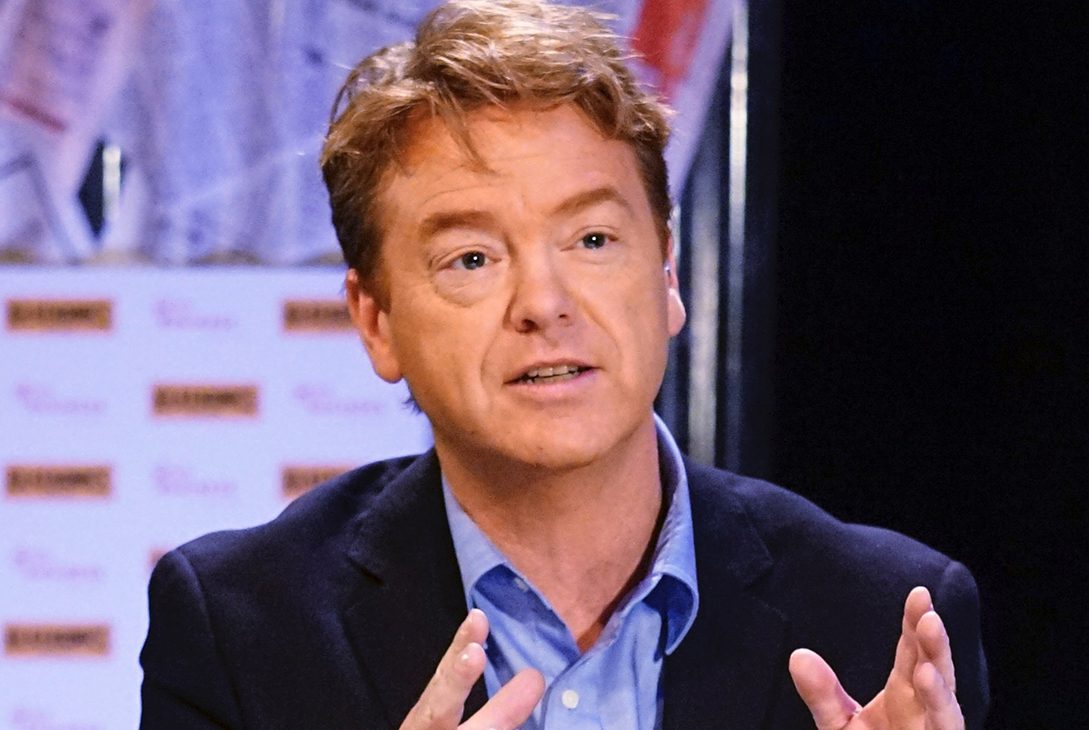
David McWilliams is one of Ireland’s most recognizable economists and public commentators, known for his ability to explain complex economic ideas in clear, engaging language. Over the past two decades, he has played a major role in shaping public debate around Ireland’s economy, globalization, and the future of work.
Born in Dublin in 1966, McWilliams studied economics at Trinity College Dublin and later at the University of Oxford. Early in his career, he worked as an economist for the Central Bank of Ireland and later for UBS in London, where he gained first-hand experience in global financial markets. This combination of academic training and real-world finance strongly influenced his practical, sometimes provocative approach to economics.
McWilliams rose to national prominence in the late 1990s and early 2000s through his newspaper columns and media appearances. He became particularly well known for his warnings about Ireland’s property bubble years before the 2008 financial crisis. At a time when optimism dominated public discourse, his critical stance set him apart and later earned him recognition for accurately forecasting the risks facing the Irish economy.
Beyond journalism, McWilliams is a successful author. His books, including The Pope’s Children, The Generation Game, and Follow the Money, explore how economic forces shape everyday life, social class, and national identity. His writing often focuses on how globalization, technology, and demographic change affect ordinary people, not just institutions or elites.
McWilliams is also a familiar face on Irish television and radio. He has hosted and co-hosted several current affairs and economics programs, where his informal style and sharp commentary have helped bring economic discussions to a wider audience. In addition, he is the founder of the “Punk Economics” movement, which aims to challenge traditional economic thinking and encourage fresh, unconventional ideas.
In recent years, McWilliams has focused increasingly on topics such as housing, inequality, climate change, and the impact of technology on work and wealth. He remains a vocal advocate for long-term planning and structural reform in Ireland, often arguing that economic policy must be grounded in social reality rather than short-term political goals.
Today, David McWilliams is regarded as a key public intellectual in Ireland—someone who bridges the gap between economics, media, and everyday life. Whether praised or criticized, his voice continues to influence how economic issues are understood and debated across the country.